In Northern Ghana, women and children are disproportionately affected by malnutrition and poverty. The region’s agricultural economy which is traditionally centered around crop farming and livestock rearing is dominated by men, limiting opportunities for women to engage in an independent income-generating activities. These constraints hinder their ability to improve their economic standing and contribute to the well-being of their families. The region is also faced with a higher rates of stunting, wasting, and underweight children compared to the southern parts of the country. Factors like poverty, limited access to nutritious food, and poor water and sanitation conditions exacerbate the problem. Climate change has also played a role, with erratic rainfall patterns affecting crop yields and food production, further limiting the availability of nutritious food. Many families are forced to rely on less nutritious diets composed mostly of cereals, which are filling but insufficient in essential vitamins and minerals.
The Generating Revenues and Opportunities for Women to Improve Nutrition in Ghana (GROWING) project, an integrated Climate Smart, Agriculture-Nutrition-Marketing action research project implemented by the International Potato Centre (CIP) in partnership with Care International in Ghana, the Ghana Health Service (GHS), and the Ministry of Food and Agriculture (MoFA) is changing the narratives by empowering women and enhancing their families’ nutritional and financial well-being through an action-research approach Cavy rearing.

Cavies, known for its highly nutritious meat and low initial cost has the potential for high returns due to the animals’ rapid reproduction rate, high demand in local markets, and low maintenance. For many of the women involved in the Growing Future Clubs (GFCs), this project offered their first opportunity to engage in a business model that is not only sustainable but also suited to their resources and time.
One of the standout examples of the project’s success is the Nasome community in the Saboba district. GFC members in the Nasome community are 1 of 3 pilot groups to receive the first batch of cavies. The group faced initial challenges, with several cavies dying due to unfamiliar weather conditions, unsuitable feed types, and a lack of experience in cavy handling. However, after receiving additional guidance and training in cavy care, the women began to turn things around. They improved ventilation in their cavy housing units and introduced a more varied diet, including pito mash, potato leaves, and slightly dry pawpaw, moringa, and plantain leaves. With consistent care, regular cleaning, feeding, and watering, the cavies began to thrive. This creative approach helped sustain the cavies through harsh conditions as well and contributed to the group’s success.
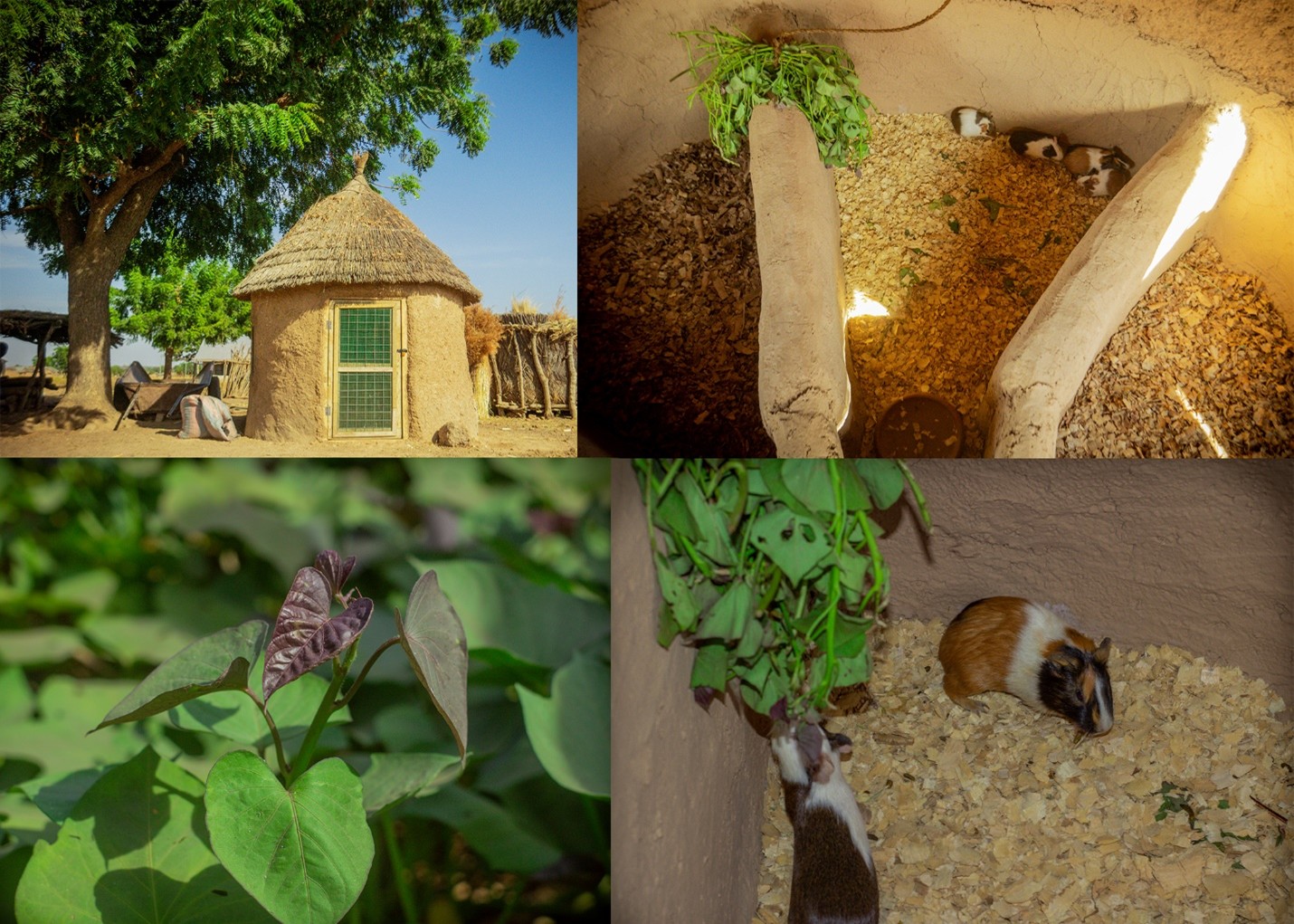
The excitement within the group is palpable, as they prepare for their next round of sales in late October or early November. More members are expected to sell their cavies, and there is a growing sense of friendly competition. Husbands, who were initially skeptical, are now strong allies in this venture, helping their wives build better housing for the cavies and assisting with feeding and cleaning. This collaboration has fostered a shift in traditional gender roles, with women leading the way in business and their husbands supporting them at every step.
The financial success of cavy rearing has brought more than just income. In a region where malnutrition among children and pregnant women is a serious issue, the ability to provide a steady supply of protein-rich meat has had a tangible impact on local diets. Women are not only feeding their families but also generating reliable income, which has improved their overall living standards. This aligns perfectly with the GROWING project’s mission of empowering women while enhancing their families’ nutritional well-being.
Sustainability is a core feature of the cavy rearing initiative. The training provided by the project emphasized using organic waste to feed the cavies and taught women how to breed them effectively, creating a self-sufficient and cost-effective model. Women who once had little control over household income now have the tools and knowledge to achieve financial independence. Cavy rearing has given them the ability to contribute meaningfully to their households and lead their own businesses.
As the GFCs continue to lead this growing industry, supported by their husbands and communities, the GROWING project has proven that when women are empowered, they can drive significant change hence, due to the successes from these pilot communities, the GROWING project is now scaling this initiative to its other implementing regions. Seeing the financial and nutritional benefits, neighboring communities are eager to adopt cavy rearing. This expansion will allow more women to achieve financial independence, improve household nutrition, and contribute to the region’s growing food security. The scaling of cavy rearing underscores the project’s potential for sustainable, wide-reaching impact in transforming both the economy and the lives of women across Northern Ghana.
Acknowledgement
This activity was made possible through support provided by the Global Affairs Canada (GAC). CIP partnered with CARE International, Ministry of Food and Agriculture (MOFA) and the Ghana Health Services (GHS) for the implementation of the GROWING Project. The opinions expressed in this activity are those of the authors and do not necessarily reflect the views of GAC, CARE International, MOFA and GHS.