Could one of the world’s most familiar foods help tackle one of its most persistent nutritional challenges?
Iron deficiency is a leading cause of anemia, affecting millions of people worldwide, particularly women and children. It can cause fatigue, impair learning and reduce productivity, limiting people’s ability to live healthy, active lives.
In Peru, scientists at the International Potato Center (CIP) are helping address this challenge through an unlikely ally: the potato.
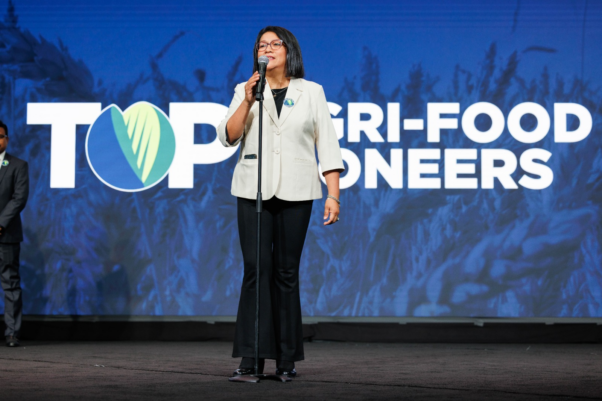
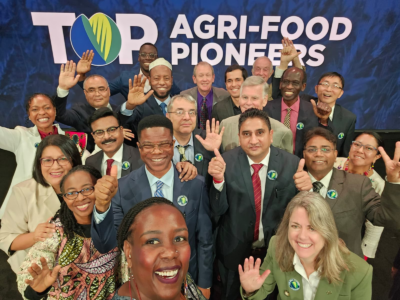
Among them is Gabriela Burgos, who earned the Top Agriculture Pioneer Award from the World Food Prize Foundation for her work establishing the bioavailability of iron in two new potato varieties developed in Peru.
Her research addresses a critical question: It’s not enough for a potato to contain more iron. Can the human body actually absorb and use it?
By establishing iron bioavailability, Burgos helped provide essential scientific evidence supporting the potential of biofortified potatoes to improve nutrition.
Unlike conventional fortification, which adds nutrients during food processing, biofortification increases the nutritional value of crops through breeding.
 The approach is particularly promising in the Andes, where potatoes are deeply embedded in local diets, agriculture and culture. Rather than asking families to change what they eat, iron-rich potatoes offer an opportunity to improve the nutritional value of foods they already know and enjoy.
These potatoes are not a cure for anemia. But as part of a diversified diet and broader public health efforts, they offer a promising, sustainable approach to addressing iron deficiency.
Burgos’s recognition celebrates more than a scientific achievement. It highlights how agricultural research can connect the fields where food is grown with the health of the people who eat it.
Sometimes, improving nutrition doesn’t require changing what’s on the dinner table. It starts with making what’s already there better.