
The Eastern Democratic Republic of Congo (DRC) remains one of the most fragile regions in Africa, marked by recurrent conflict, population displacement, disrupted markets, and chronic malnutrition that consistently erodes household resilience. In this environment of uncertainty, where access to land, inputs, and stable markets is often unpredictable, communities rely heavily on crops that can withstand shocks, regenerate quickly, and deliver high nutritional value even under stress.
Sweetpotato has become a very vital root crop in the South and North Kivu provinces of the DRC. Introduced several decades ago, it has developed into an important staple for both food security and income generation. Although the sweetpotato crop in these provinces covers extensive land areas, it is widely characterized by varying low yields due to differences in farming practices and seed quality. In recent years, efforts to promote improved varieties, especially OFSP, have gained momentum, aiming to address malnutrition and climate vulnerability in the Great Lakes region, including the Eastern DRC.
The sweetpotato farming system in the Kivu provinces is diverse, with farmers utilizing traditional planting methods, mainly planting vine cuttings at the start of the rainy season. The crop thrives in the region’s environment, characterized by moderate to high rainfall and warm temperatures. Farmers have adopted multiple popular varieties, including local types, and introduced improved varieties with higher yields and disease resistance. OFSP varieties are relatively recent introductions but are rapidly gaining acceptance for their nutritional benefits.
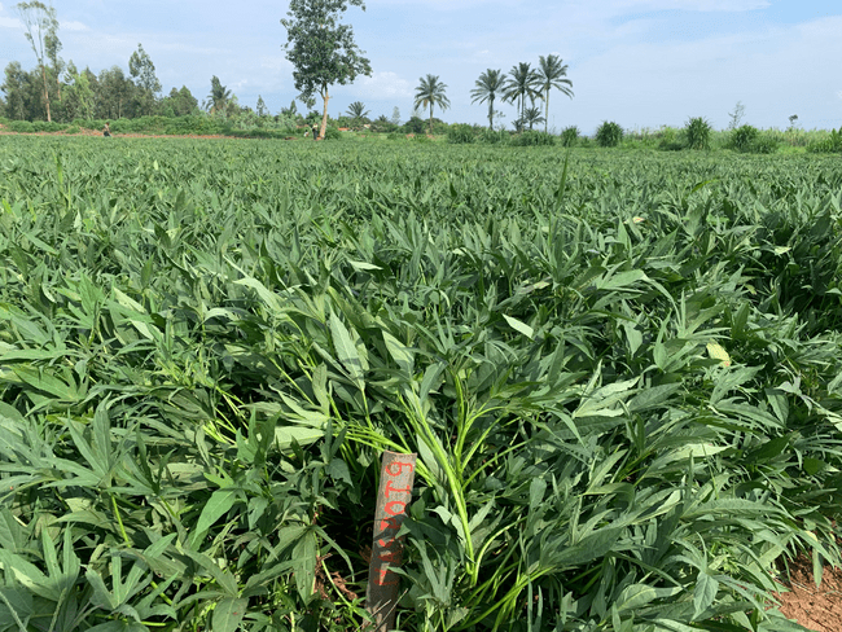
Food Security Role in the Great Lakes Region
Sweetpotato, including the OFSP varieties, plays a strategic role in household food security. Its resilience allows it to be a reliable food source during periods when other crops fail. It is predominantly grown for home consumption, helping to buffer families against seasonal food shortages. OFSP varieties contribute significantly to improving nutritional outcomes by providing a dense source of vitamin A, a critical micronutrient often deficient in vulnerable populations.
The introduction, multiplication and dissemination of OFSP in Eastern DRC has been driven by partnerships among key institutions such as the International Potato Center (CIP) and the National Institute for Agronomic Study and Research (INERA). These organizations have facilitated the dissemination of OFSP varieties through the establishment of in-situ demonstration plots, training of vine multipliers, farmers and processors.
According to Mr Elois CINYABUGUMA, Director of Research at INERA- Mulungu, ‘Sweetpotato remains the main crop for food security in Congolese households. They are used in nutrition to help reduce malnutrition. They have a significant impact on farmers’ incomes because they are grown and harvested throughout the seasons in the Eastern DRC. Precisely, the crop is a source of life congruent to its local name “cilera bana”, which means protector or lullaby of children in the Mashi language.

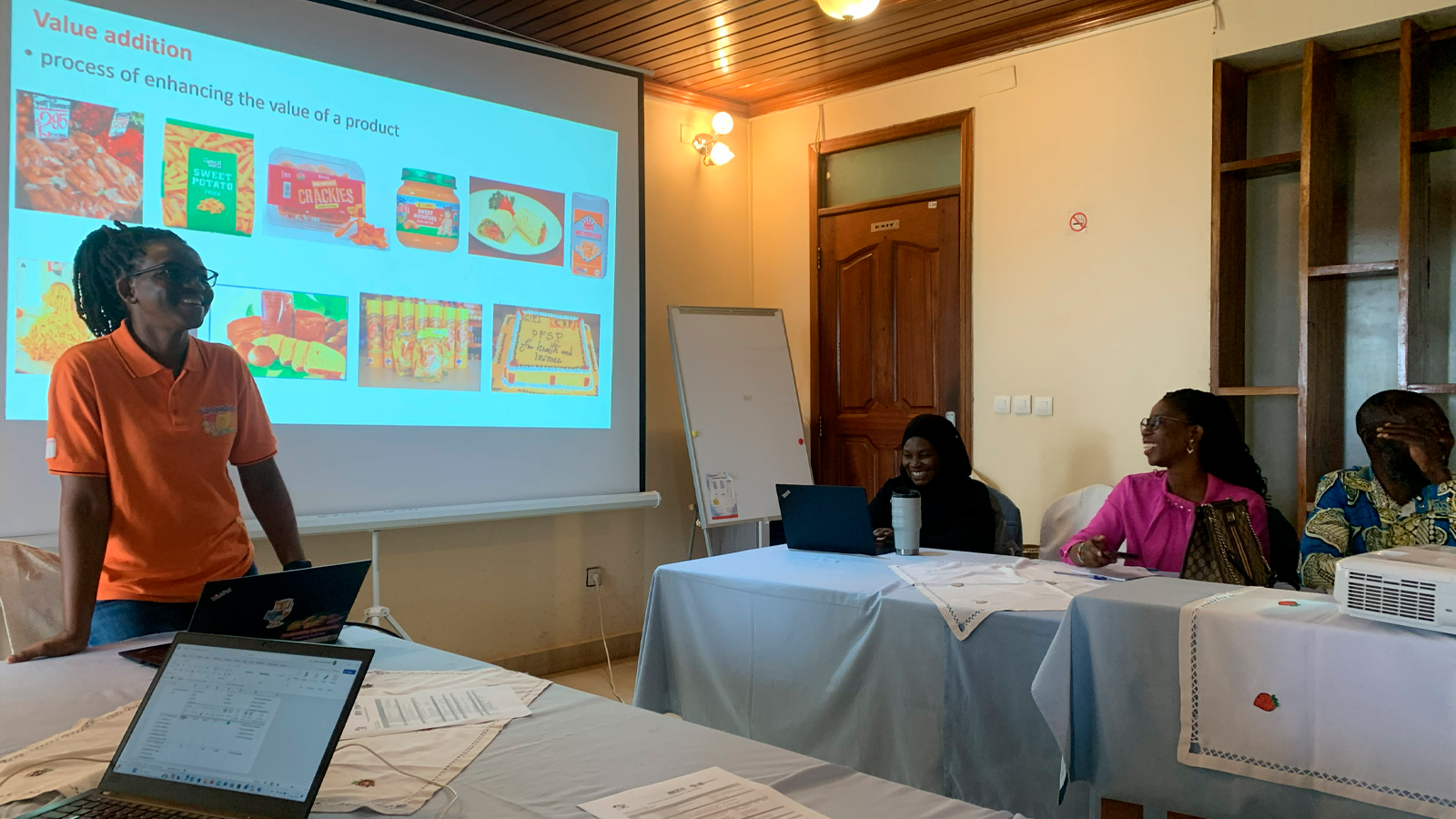
Sweetpotato stakeholders consultative meeting and training conducted by CIP in collaboration with IITA and INERA in Bukavu city, South Kivu-DRC in April 10-11, 2024 (credit: Anonymous)
Potential and opportunities for Orange-fleshed Sweetpotato
Nutritionally, OFSP is rich in beta-carotene, addressing the vitamin A deficiency that is prevalent in the Eastern DRC. Beyond its nutritional value, OFSP provides a versatile raw material for value addition in the bakery industry. Processing OFSP into flour, puree, or chips enables its integration into a wide range of products such as bread, mandazi, cakes, and cookies. This offers an important pathway to improve nutrition while creating new income opportunities, particularly in urban markets of Eastern DRC and neighboring countries in the Great Lakes region.
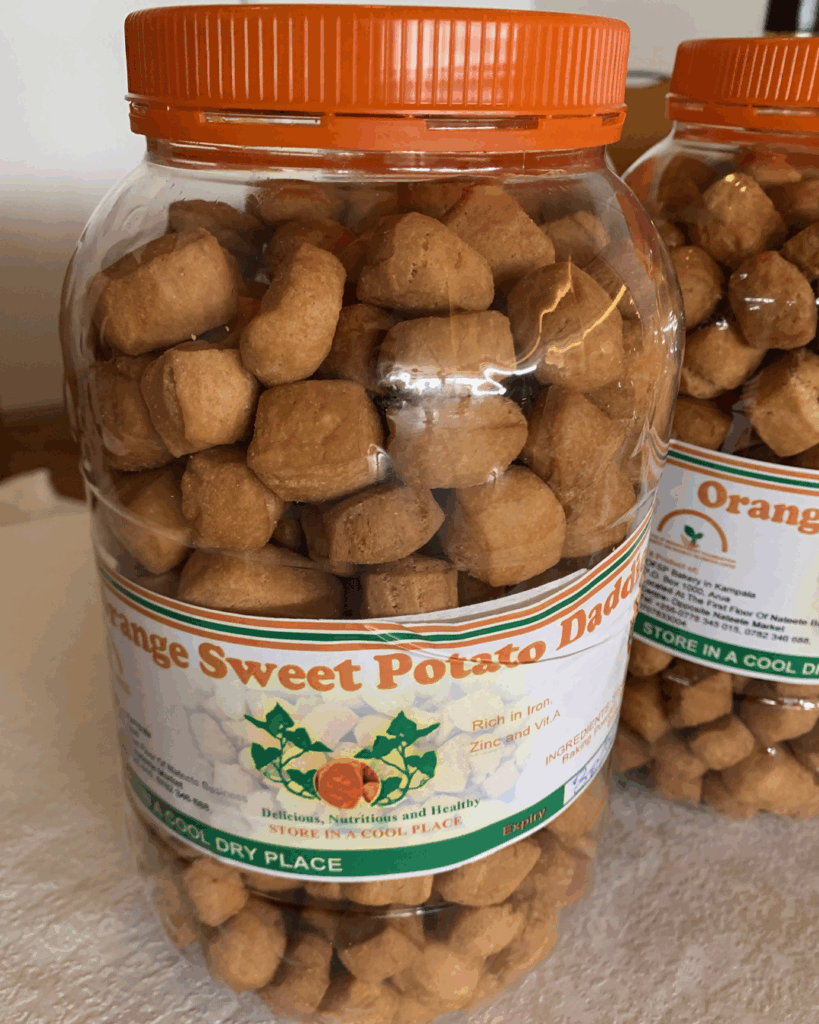
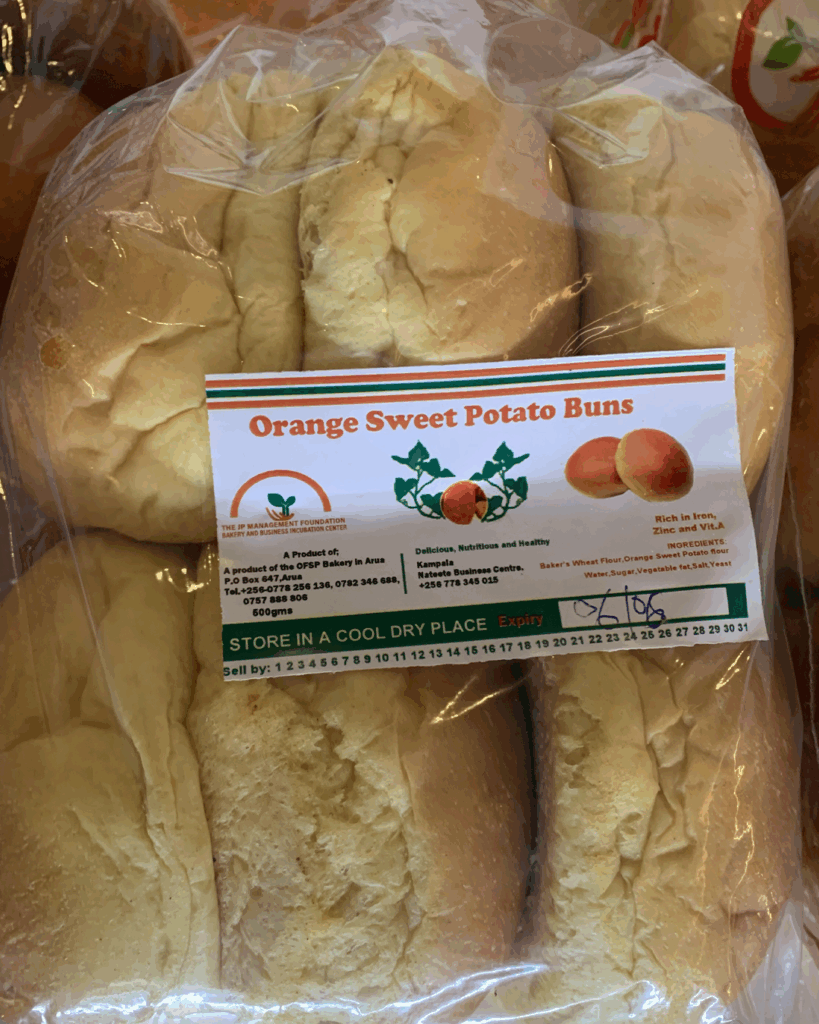
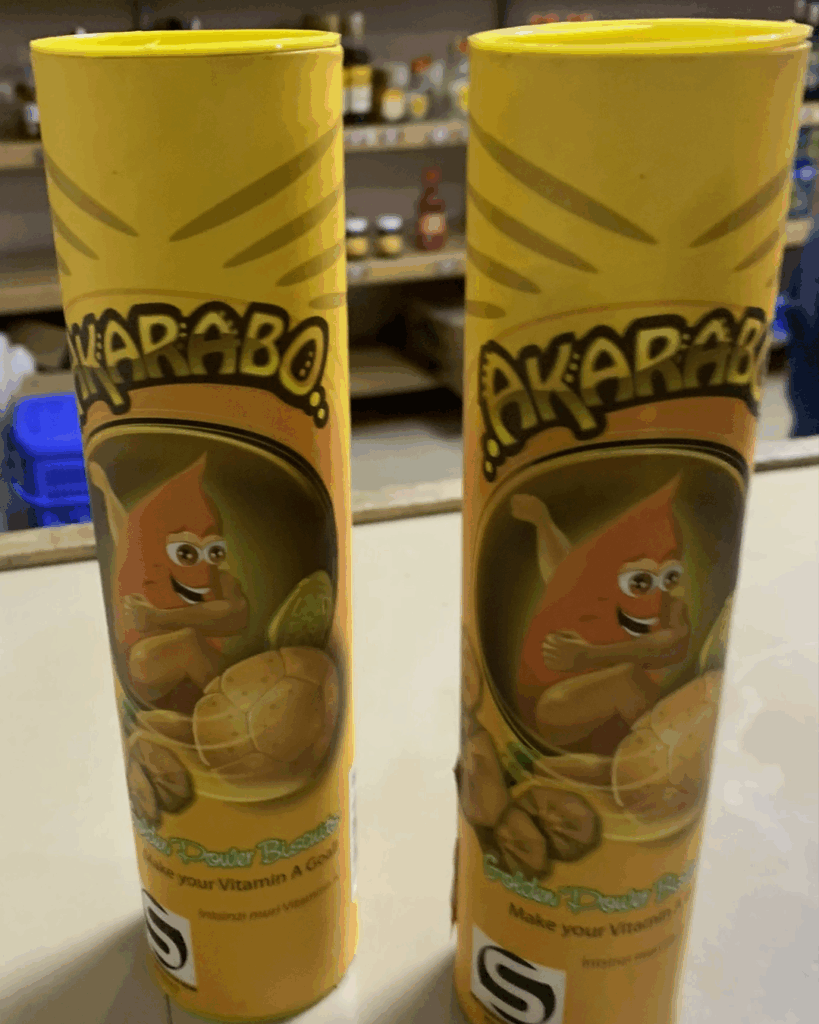

A range of OFSP-based products that are available in the region and which can offer a huge opportunity for the urban and peri-urban market.
The OFSP holds immense promise as a crop of plenty in Eastern DR Congo. Its climate resilience and early maturity make it ideal for coping with the region’s variable weather, supporting stable food production. Moreover, expanding markets in urban centres such as Bukavu and Goma towns offer lucrative opportunities for value-added products, creating income streams for smallholder farmers and entrepreneurs alike. The growing engagement of key institutions, such as CIP and INERA, further catalyzes adoption through capacity building and seed system strengthening.
CIP remains fully committed to supporting resilient food systems and improved nutrition in Eastern DRC. With decades of experience in the Great Lakes region, CIP brings proven technical expertise in sweetpotato breeding, seed systems development, climate-resilient agronomy, and nutrition-sensitive interventions. Building on the CIP track record with OFSP and the broader mandate to empower vulnerable communities, CIP stands ready to collaborate, co-create, and invest in sustainable pathways that strengthen household resilience, enhance local capacity, and contribute to lasting food and nutrition security in Eastern DRC and across the Great Lakes Region.
Written by: Jean Claude Nshimiyimana, | Reviewed by: Bester Tawona Mudereri