Rwanda is steadily positioning itself as a continental leader in data-driven, climate-smart agriculture. One of the most compelling examples of this progress is the transformation of its fertiliser recommendation system, a journey made possible through intense collaboration among the Rwanda Agriculture and Animal Resources Development Board (RAB), and the CGIAR’s Excellence in Agronomy (EiA) Initiative through the International Potato Center (CIP), now integrated into the CGIAR Sustainable Farming Program (SFP). Years of scientific research, digital innovation, and capacity building have culminated in the development of soil- and crop-specific fertiliser recommendations, and more recently, in the production of locally blended fertilisers, such as those produced through the Rwanda Fertiliser Company (RFC) in partnership with OCP Africa.
This blog tells the story of how research, technology, and industry are coming together to reshape Rwanda’s fertiliser landscape.
1. The starting point: Blanket recommendations in diverse landscapes
For many years, fertiliser use in Rwanda was guided by blanket recommendations standardised nutrient rates assumed to be suitable for all farmers across the country. Yet Rwanda’s topography and soils are exceptionally diverse. From volcanic highlands in the north to sandy soils in the east and clay-rich wetlands in the west, nutrient needs vary significantly from place to place.
Blanket fertiliser recommendations overlook the significant variability in soils, climate, and management practices, resulting in inefficient nutrient use and suboptimal yields. They often result in over-application in some areas and under-application in others, increasing production costs while reducing farmers’ profitability. Such uniform approaches exacerbate environmental risks, including nutrient runoff, soil acidification, and greenhouse gas emissions. They also fail to account for crop-specific and growth-stage nutrient requirements, limiting yield potential. Ultimately, blanket recommendations undermine climate resilience and slow the adoption of more precise, data-driven agronomic advisory systems. Recognising these limitations, RAB and its partners prioritised a shift toward site-specific nutrient management, backed by high-quality data and digital delivery channels.
2. Building the Knowledge Backbone: The Rwanda Soil Information System (RwaSIS) and CGIAR AgWISE Soil Intelligence System
The first transformative step was the establishment of the Rwanda Soil Information System (RwaSIS)—a national platform that captures, analyses, and visualises soil data across Rwanda’s agricultural landscapes. The platform offers comprehensive data on soil composition, crop specifics, erosion patterns, and the CGIAR AgWISE developed recommendations for fertilisers and lime. CGIAR AgWISE is a data-driven agronomic decision support platform designed to deliver site-specific, actionable advice to smallholder farmers and extension systems. It integrates soil data, climate information, crop models, and management practices to generate tailored recommendations for nutrients, varieties, and agronomic practices to support national partners by translating complex scientific evidence into simple, scalable advisory services. AgWISE is built to plug into digital extension channels such as mobile apps, dashboards, and advisory systems used by governments and the private sector. Overall, it strengthens climate-smart, efficient, and inclusive agricultural decision-making at scale.
Developed through a Public Private Partnership (PPP) collaboration among RAB and CIP through the CGIAR partnership under the SFP AgWISE platform, BKTecHouse, the Rwanda Space Agency (RSA), and others, RwaSIS is built on:
- Nationwide soil sampling and laboratory analysis
- High-resolution soil nutrient maps
- Spatial modelling and nutrient deficiency detection
- Analytical tools for crop- and site-specific fertiliser recommendations
3. Turning Data into Action: CGIAR AgWise Models, Field Trials, and Decision Tools
With soil data in place, RAB and SFP through CIP bridged the gap between soil information and fertiliser advice through a combination of fertiliser response trials across the country, AgWise crop process models, machine-learning models, and leveraged on already existing decision-support tools like AKILIMO, which had sailed extremely well in Nigeria.
The result was evidence showing that:
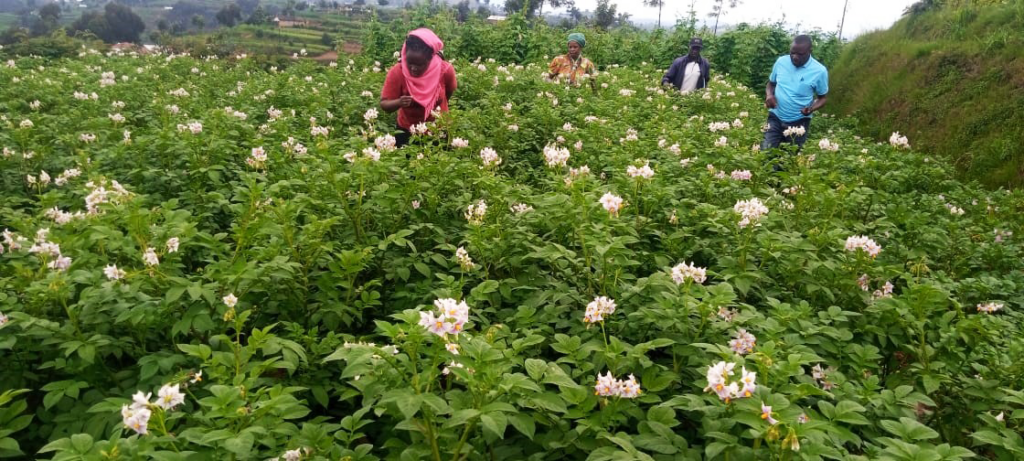
- Potato yields could increase by up to 20%
- Rice, maize and wheat production could remain stable with up to 10% less fertiliser
- Balanced nutrient mixes were more profitable than blanket approaches
These insights strengthened the scientific foundation for Rwanda’s emerging fertiliser advisory ecosystem.
4. Validation and piloting in semi- and uncontrolled environments with smallholder farmers across the country.
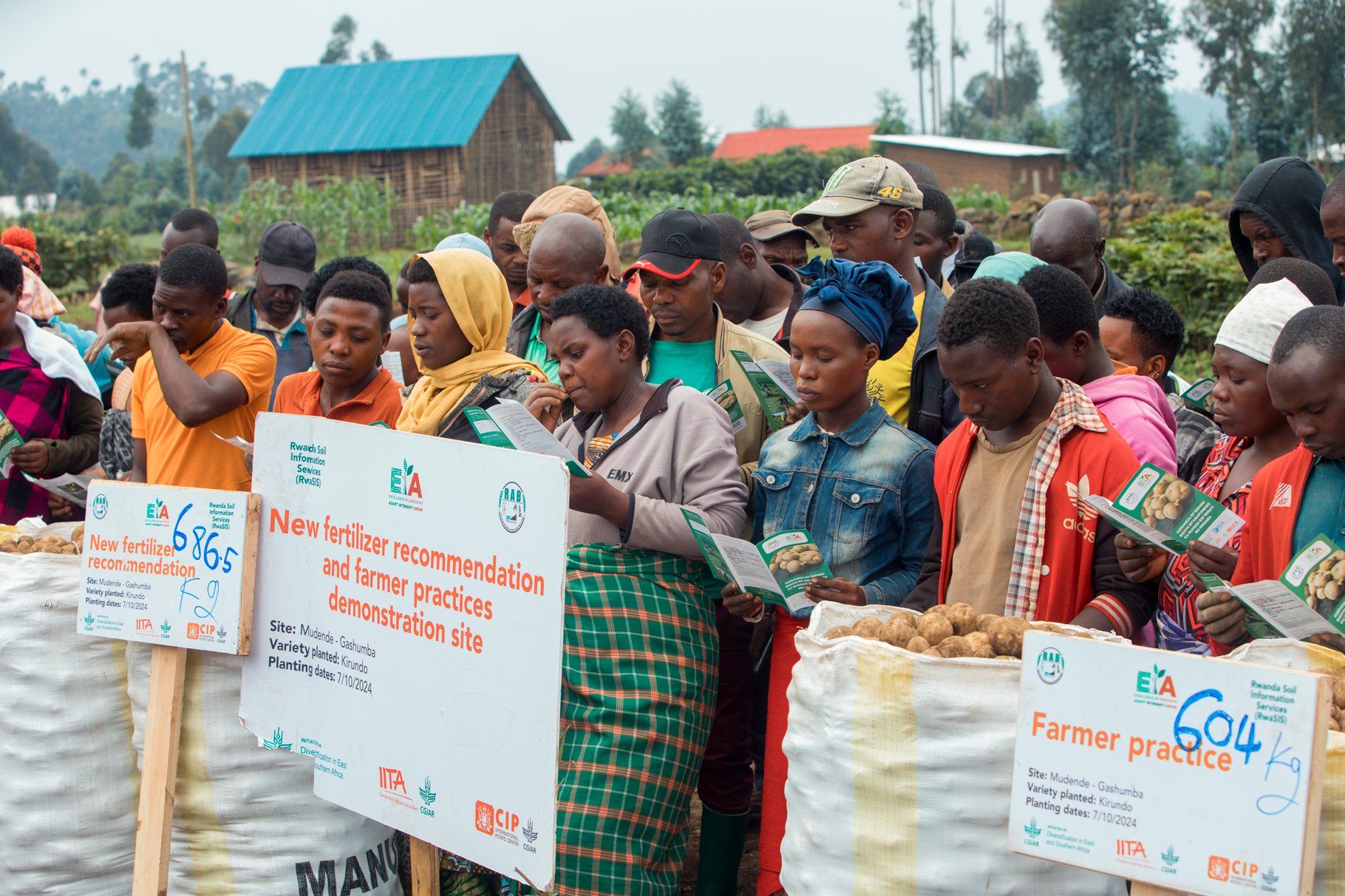
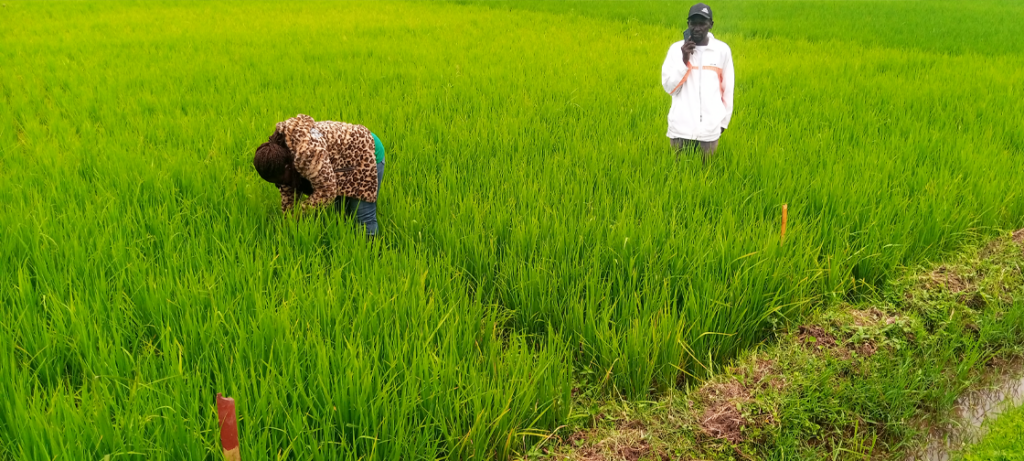
To ensure the robustness and relevance of site-specific fertiliser recommendations, over 1,000 validation trials were implemented nationwide across the four priority crops—rice, potato, maize, and wheat—under semi-controlled farmer field conditions. These trials were essential to scientifically validate agronomic responses across diverse soils, agro-ecological zones, and management contexts, while maintaining sufficient control to isolate the effects of the recommended nutrient packages. Building on this evidence, the recommendations were further piloted with more than 8,000 farmers under real-world, largely uncontrolled conditions to test their practicality, adoption, and performance within farmers’ own decision-making environments. This large-scale piloting captured variability in farmer practices, input access, and climatic shocks that cannot be fully represented in controlled trials. A follow-up telephone survey with 1,200 farmers assessed farmers’ experiences, adoption behavior, and perceived and measured yield gains, providing critical feedback to refine the recommendations and ensure they are both agronomically sound and farmer-responsive at scale.
5. Delivering the Recommendations: Integration into the Smart Nkunganire System (SNS) for national access and scaling readiness
While generating site-specific fertiliser recommendations is essential, delivering them to farmers at scale is critical. This breakthrough resulted from integrating fertiliser intelligence into the Smart Nkunganire System (SNS), the national digital platform for agri-input subsidy management.
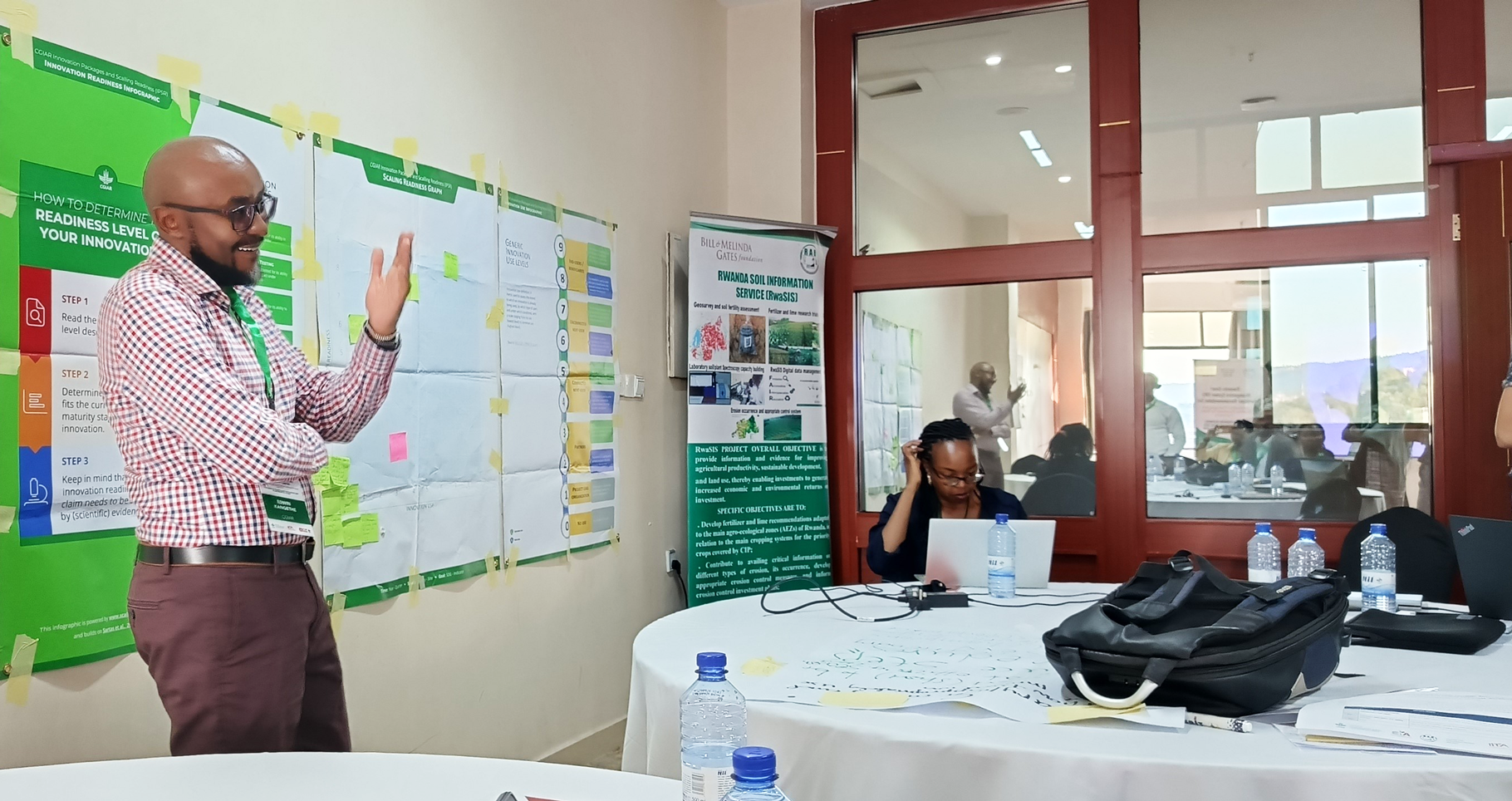
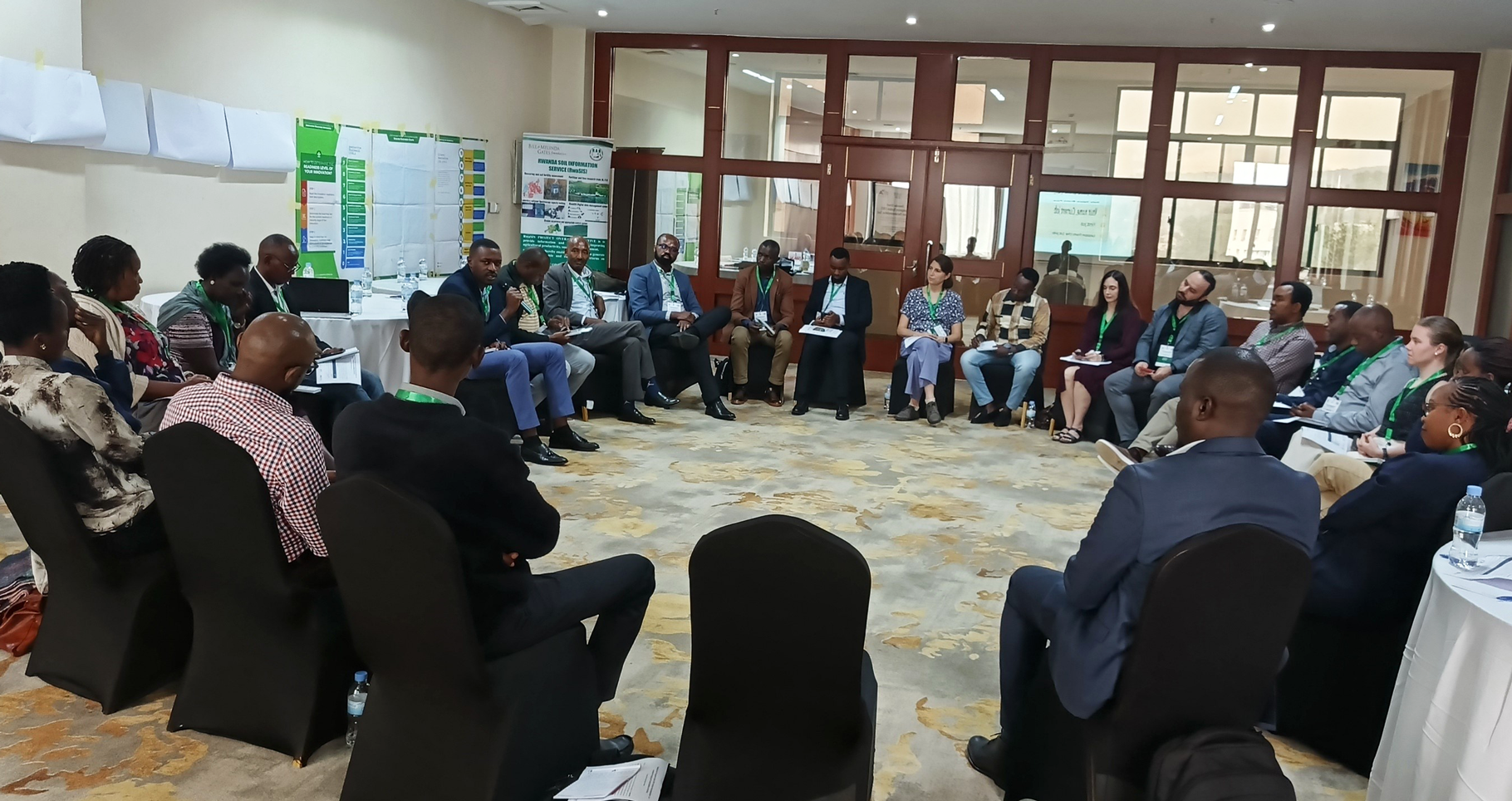
- The Innovation Packaging and Scaling Readiness (IPSR) process was applied to systematically assess scaling readiness and co-develop robust innovation packages for the Smart Nkunganire System (SNS).
- IPSR enabled the identification of key bottlenecks and enablers across the fertiliser supply chain, user experience of the SNS digital platform, training and awareness gaps, and the viability of sustainable business models for SNS delivery and maintenance.
- Through this structured process, evidence-based solutions were designed to strengthen coordination among public and private actors, improve platform usability, and align incentives for adoption at scale.
- The process resulted in large-scale training of Master Trainers and extension actors, alongside the deliberate integration of Gender Equality and Social Inclusion (GESI) principles, including tailored approaches for persons living with disabilities (PLWD).
- Overall, IPSR strengthened institutional alignment, expanded access, and accelerated adoption of site-specific recommendations nationwide.
Therefore, SNS has evolved into a digital advisory platform capable of delivering:
- Parcel-level fertiliser recommendations
- Guidance for agro-dealers and extension agents
- Data-driven monitoring and feedback loops

6. The Breakthrough Moment: “Made-in-Rwanda” Fertiliser Blends
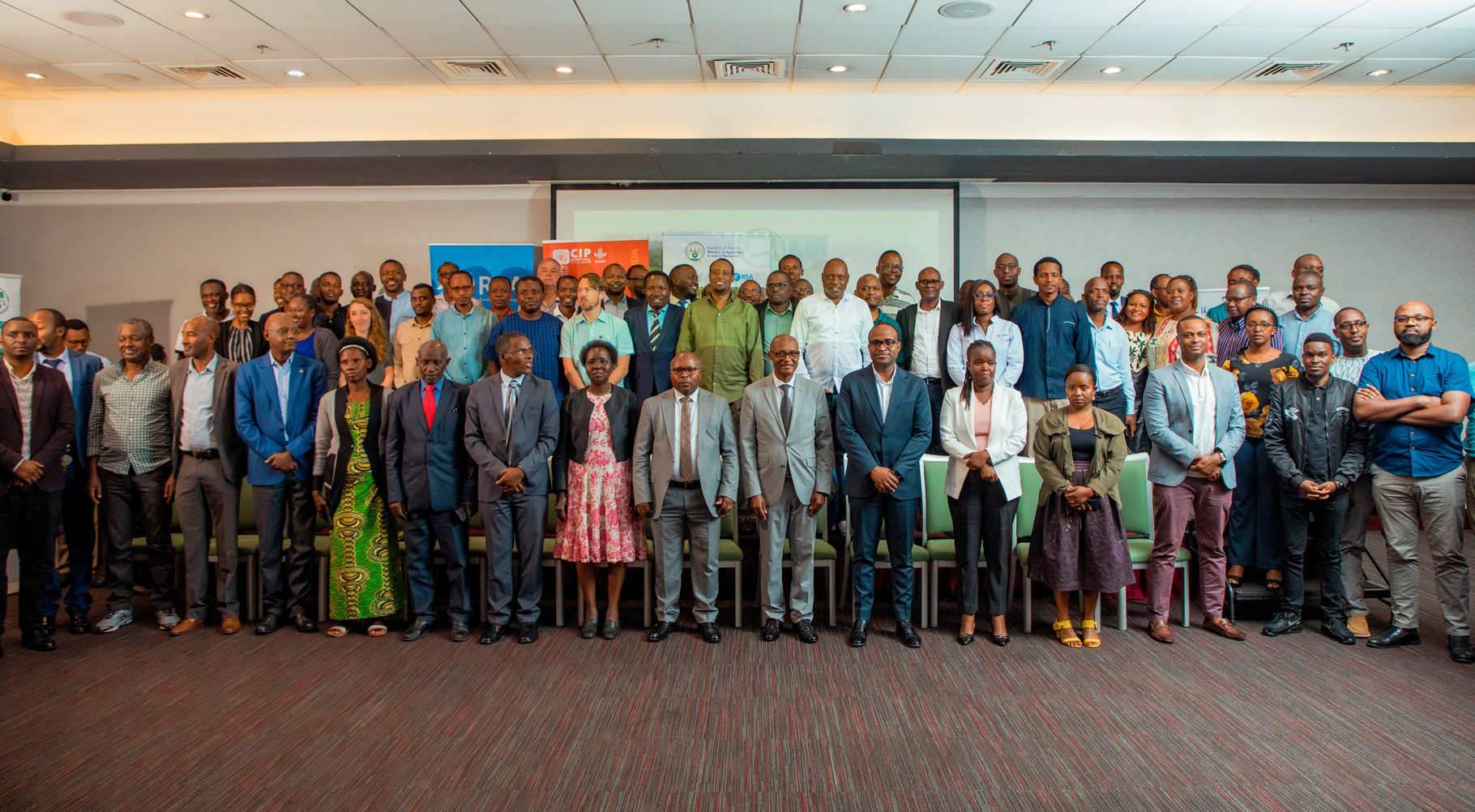
These Fertiliser recommendations produced by the collaboration between RAB and CGIAR SFP were launched in 2024 by the Rwanda Minister of Agriculture and Animal Resources (MinAgri). The recommendation currently provides tailored fertiliser for four priority crops: potato, rice, maize, and wheat, with beans and cassava work likely to follow soon. https://cipotato.org/blog/rwasis-revolutionary-soil-information-technology/
Rwanda operates as an open and competitive fertiliser market, with all qualified fertiliser suppliers invited to invest, innovate, and develop crop- and soil-specific fertiliser blends aligned with national recommendations. Using the developed site-specific fertiliser recommendations, several suppliers have already formulated and few have introduced new blended products to the market. These initial investments demonstrate strong private-sector confidence in the evidence base and the enabling policy environment. Additional fertiliser suppliers and private companies are in the pipeline, actively developing and registering further blends based on the same recommendations.

This open-market approach promotes competition, expands farmer choice, and accelerates the availability of appropriate fertilisers at scale. Scientific progress required an industrial partner capable of manufacturing the recommended fertilisers. Currently, this need has been met by the Rwanda Fertiliser Company (RFC), a joint venture between the Government of Rwanda and OCP Africa.
In 2025, RFC launched three locally blended fertilisers originating from the collaboration of the CGIAR SFP AgWise and RwaSIS recommendations:
- Twihaze
- Ongera
- Ongera+
7. A Model for Africa: What this transformation means
The joint work of CGIAR SFP through CIP and RAB has resulted in:
- A national soil information system (RwaSIS)
- Evidence-based fertiliser recommendations grounded in agronomy trials and farmer feedback
- A digital delivery system (SNS) that ensures farmers receive customised advice and tailored subsidy inputs in an easily accessible.
- Industrial capacity to manufacture soil-specific blends
- A scaling roadmap validated through IPSR
- Inclusion of GESI principles in the training and development of training materials for all, including for PLWD.
Rwanda now has one of the most integrated, data-driven fertiliser recommendation systems on the continent, linking scientific research, digital innovation, and industrial production. This journey provides a powerful model for African countries seeking to transform their fertiliser management systems and drive climate-smart agricultural growth.
By: Bester Tawona Mudereri, International Potato Centre – Kigali Rwanda