What do people who protect nature expect from a project that compensates them for doing so?
For a Brazil nut harvester in Madre de Dios participating in a carbon project, financial compensation matters, but it is not enough. They need support to defend their territory against land invasions and illegal logging, as well as clear contracts that are upheld. For a tree-planter in Kenya, adapting to droughts and floods comes first. They want training and knowledge to care for their land, viewing income as a result of those efforts.
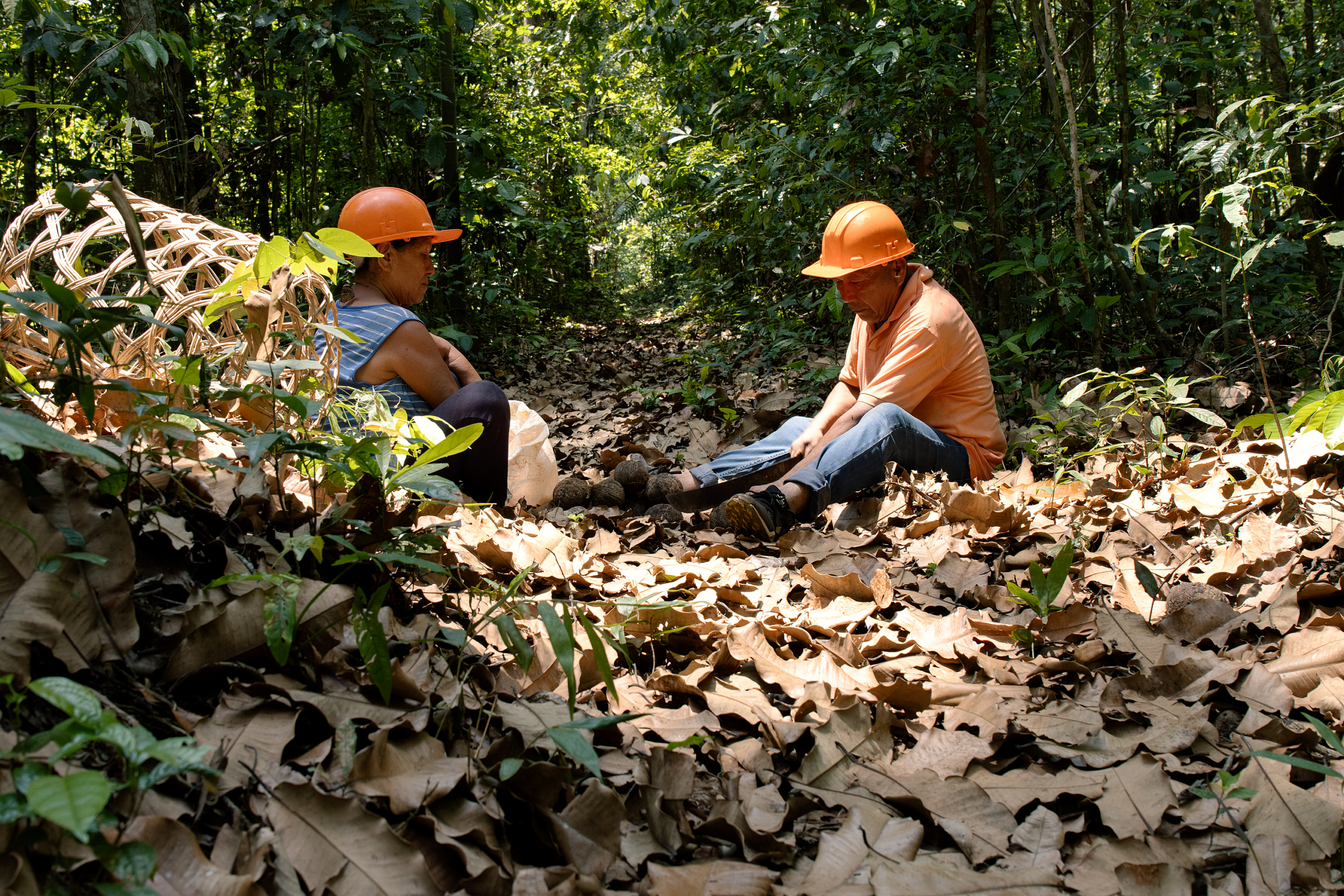
Over the past few decades, payments for ecosystem services (PES) have become one of the most innovative conservation and development tools. These schemes aim to recognize and reward people who maintain healthy, functioning ecosystems through financial payments and/or support such as training, supplies, or infrastructure. PES can take many forms: selling carbon credits in exchange for conserving or reforesting forests, financial retribution for those who protect water sources, or rewarding families who conserve native crop varieties on their farms.
Most of these schemes promise benefits for both nature and people. However, too often, projects are designed without asking participants what they expect. This can reduce motivation to participate, lead to project schemes that fail to address their actual needs, and overlook the very people these initiatives are meant to support.
That is why the International Potato Center (CIP) and Wyss Academy for Nature set out to listen to people participating in these schemes. We visited 16 cases, eight in Peru and eight in Kenya, spanning very different contexts: Amazonian forests, high-Andean grasslands, and African savannas; communal lands, concessions, and family-owned plots; and different types of PES, from the sale of carbon credits to compensation for protecting water sources and native crop varieties seeking to understand what PES participants expect from a project.
What the researchers heard
There is no single definition of well-being: PES schemes must be designed with each community.
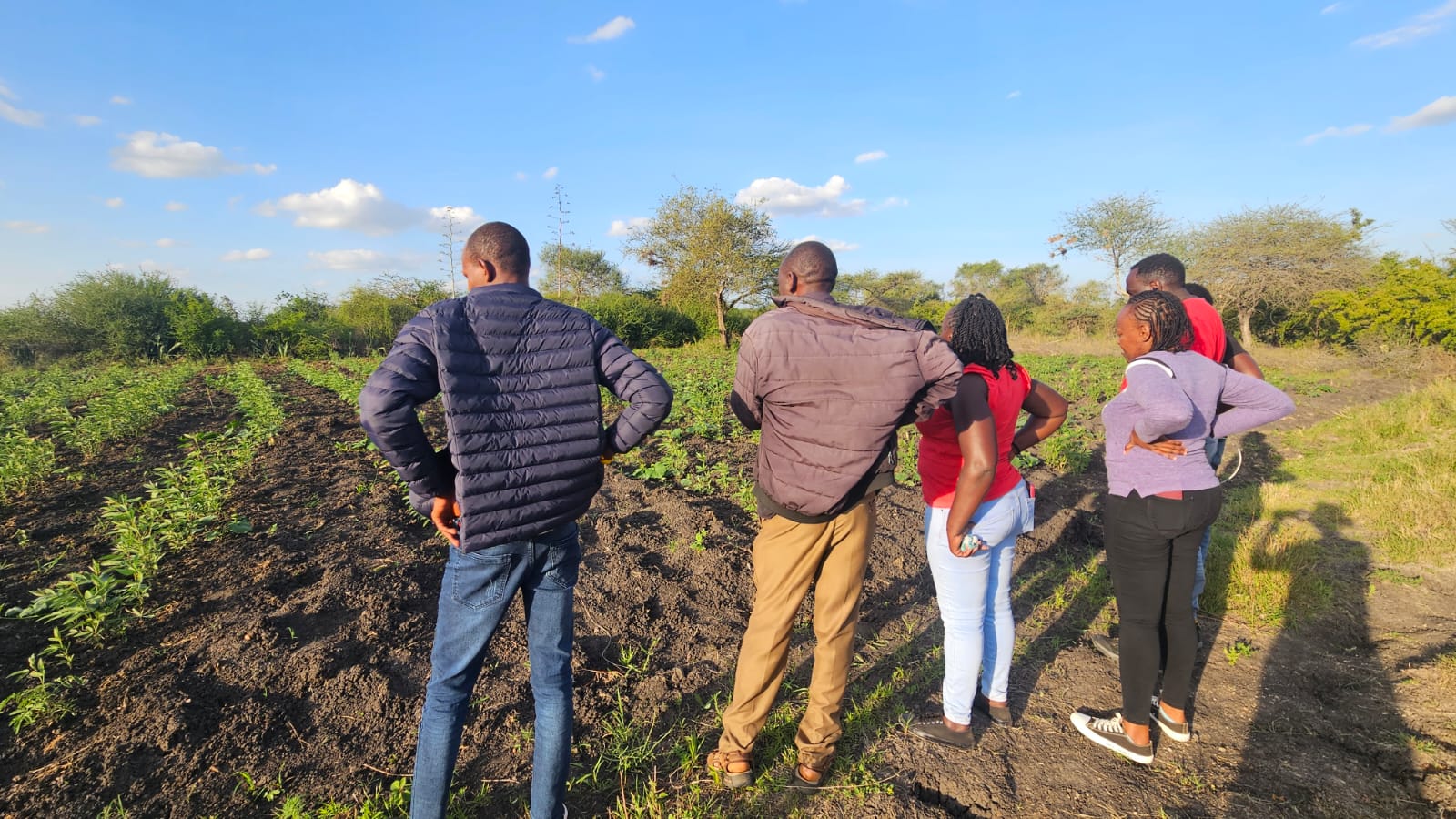
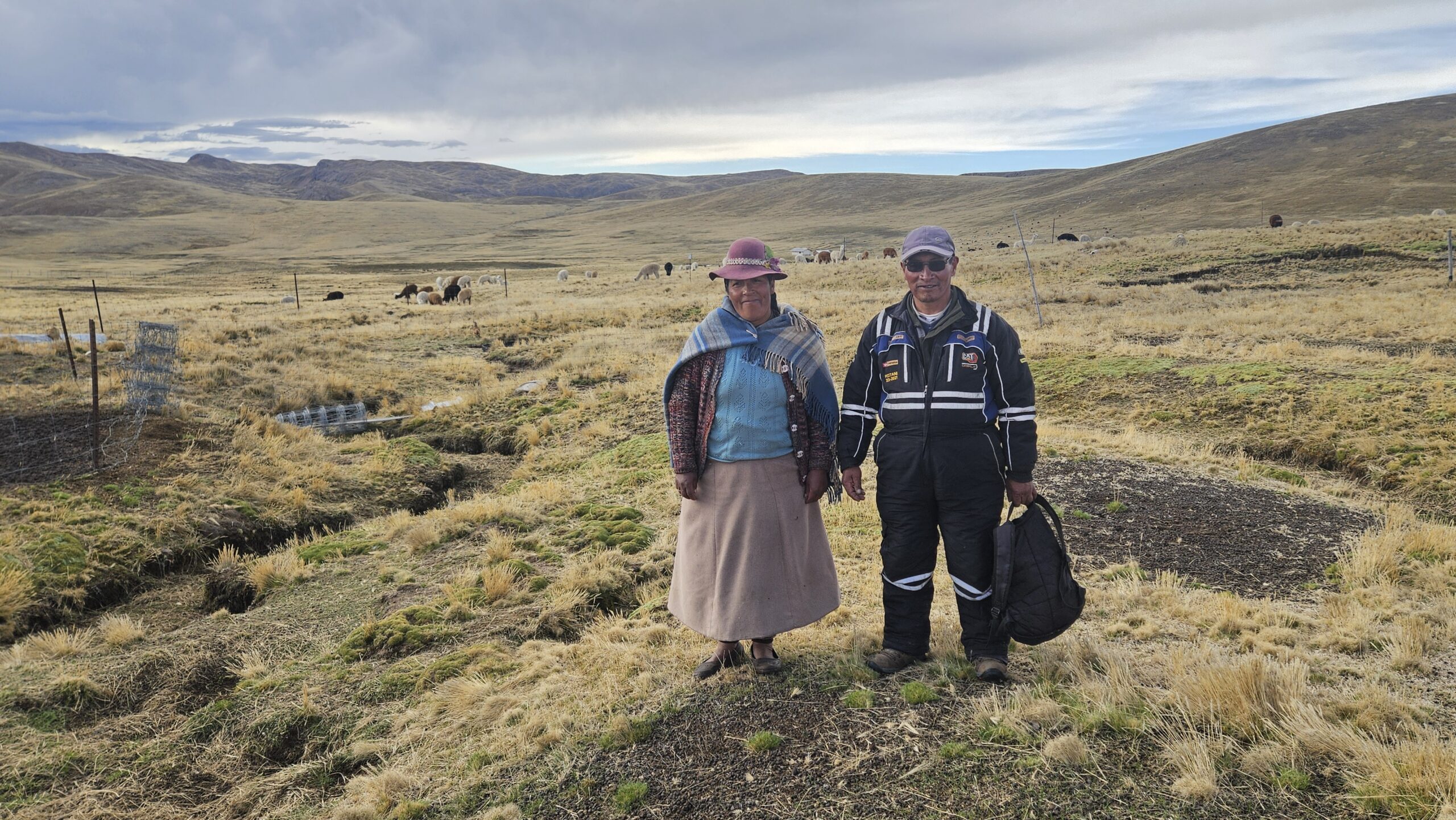
In Puno, Peru, many native potato and quinoa farmers spoke primarily about the youth. They want opportunities that allow younger generations to remain in their communities rather than having to move to the city and to ensure local knowledge is not lost. In Kenya’s high-altitude and semi-arid regions, by contrast, the main concerns were adapting to droughts and floods and gaining the knowledge needed to care for the land under adverse climatic conditions.
What people consider important is deeply shaped by where they live and how they make a living. Where these factors vary, PES projects must vary in their approach as well.
PES participants want to protect nature, but they also need to make a living from it.
For native potato custodians in Peru’s high-Andean communities, conserving their varieties means continuing the work of their parents and grandparents. In Kenya, many farmers plant trees to cope with droughts, and some shared how these fruit trees eventually became an additional source of income.
Most of the people interviewed have a strong, sometimes ancestral, connection to nature. However, this connection exists alongside their basic needs, including the need to earn an income, which does not always allow conservation to come first.
That is why people value financial payments alongside other forms of support such as practical training, help accessing markets, protection of their territories, climate change adaptation, and opportunities for young people to stay in their communities. They also want support to continue beyond the project’s lifetime and processes to be fair and transparent, ensuring that conservation goals can be sustained over time.
Listening before designing
By listening to communities first, the International Potato Center (CIP) and Wyss Academy for Nature aim to foster a more thoughtful approach to rural development, one that protects nature while strengthening the people who care for it every day.
Projects that compensate people for ecosystem services can be more effective when they are developed together with communities and grounded in their needs. For those whose livelihoods depend on the land and forests, their well-being is closely tied to the health of the natural environments around them. This approach reflects Wyss Academy for Nature’s mission to transform the relationship between people and nature, working alongside local communities.
The project also contributes to CIP’s goals of preserving critical biodiversity and investing in the communities that have safeguarded it for generations, promoting the long-term sustainability of community-based biodiversity conservation.
Access the policy paper here.